Dyoptra is built only for land surveying and civil engineering firms in North Carolina, South Carolina and Virginia. I tie your time, payroll and accounting to each project, then sit down with you and your project managers, in your office, every month, to turn the results into your next price. Your bookkeeper and tax preparer stay.
Surveying and civil only
In your office every month
Keep your bookkeeper and tax preparer
What does an hour of field crew time actually cost you, with burden, trucks and equipment included?
Of your last ten projects, how many finished at the margin you bid?
Are your biggest projects your most profitable ones?
Did last year's estimates versus actuals change anything in this year's pricing?
How much cash is sitting in WIP and AR right now?
Most owners get a P&L each month with a profit margin on it. Nobody can say whether it's right, what it means, or what to do about it. So the next bid gets priced like the last one, and cash keeps sitting in WIP and AR.
Bid
You price it
Project
Your crew does the work
Books
Your bookkeeper records it
Monthly P&L
Lands in your inbox
Tax return
Your tax accountant files it months later
Each step runs in its own system, and the numbers don't agree from one to the next. Project outcomes do nothing to inform the next bid.
Your tax accountant sees the numbers once a year, after the year is over, when it's too late to change them. Turning those numbers into the next decision is nobody's job. Dyoptra closes that loop.


How much did your last project actually make? Time tracking has the crew's hours. Payroll has what those hours cost, rolled into a two-week pay run. QuickBooks has the invoice in one month and the truck and fuel in the next.
Nothing ties them back to the job.
So your monthly P&L shows a margin, but it can't tell you which projects earned it and which ones gave it back.
That's why the next bid usually gets priced like the last one. Larger firms keep finance staff to tie it all together by hand, and until recently that was the only way to do it.
Dyoptra gives you that function without the headcount or a costly software upgrade. I connect the tools you already pay for so every hour, cost and invoice lands on the job it belongs to. Then every month I go through the numbers with you and your project managers and turn them into the price of the next bid.
See what it costsWhat you have now
What Dyoptra builds
So you can act on…
Accounting software
Costs, bills and invoices
Time tracking
Hours by person, project and task
Payroll
What each hour really costs
Project tracker
Scope, phases and status
Estimates
What you bid, and on what assumptions
Spreadsheets
Everything that falls in between
Harmonized by Dyoptra
One system that works together
One set of definitions, so a job, an hour and a dollar mean the same thing in every system
Hours, labor cost and expenses tied to each project
Books kept for taxes, restated for decisions, with owner pay at market rate
Conflicts fixed at the source, not patched in a spreadsheet
Reconciled and reviewed every month
Your North Star metrics
The few numbers unique to your firm, and how they're tracking
True profit on every project
After burdened labor, overhead and market-rate owner pay
Estimate vs. actual
Where each project gained or lost
Pricing for the next bid
Built from what similar projects really cost
Cash in WIP and AR
Earned, but not yet billed or collected
Your team keeps the tools it already uses.
Reviewed every month with the owner and project managers.
A sample of the dashboard we review together each month: margin by project, how your projects track against what you bid, cash sitting in WIP and AR, and your burdened crew rate or labor multiplier.
Firm dashboard, month end
Illustrative example (hypothetical numbers, not a client result)
Effective billing rate
$128/hr
Target $137
Burdened crew rate
$96/hr
Updated monthly
Days of cash in WIP and AR
74
Target 55
Projects at bid margin
6 of 10
Last 10 closed
Margin by service line
Boundary
28%
Topographic
24%
Construction staking
18%
Elevation certificates
12%
Margin after burdened labor and overhead. The dark line marks a 25% target.

Your accounting, payroll and time tools weren't built to show what a project earned. I connect them and fix what doesn't line up, so you get one set of numbers to act on.
A North Star for your firm and industry-specific targets for your projects, reviewed together every month so they become the standard you price and plan from.
A close-out review of every project: what went right, what went wrong, and what to change to earn more on the next one like it.
Every project's estimate and actual cost become a history you can price from. We work through your bids and contract terms together, so you can bid for the right projects at the right price.
Tax strategy runs all year from the same numbers, not as a handoff to an accountant after the year is over. That includes owner pay set to hold up for both the IRS and your DOT overhead audit.
Dyoptra is built exclusively for surveying and civil engineering firms across the Carolinas and Virginia. We are not a generalist accounting firm.
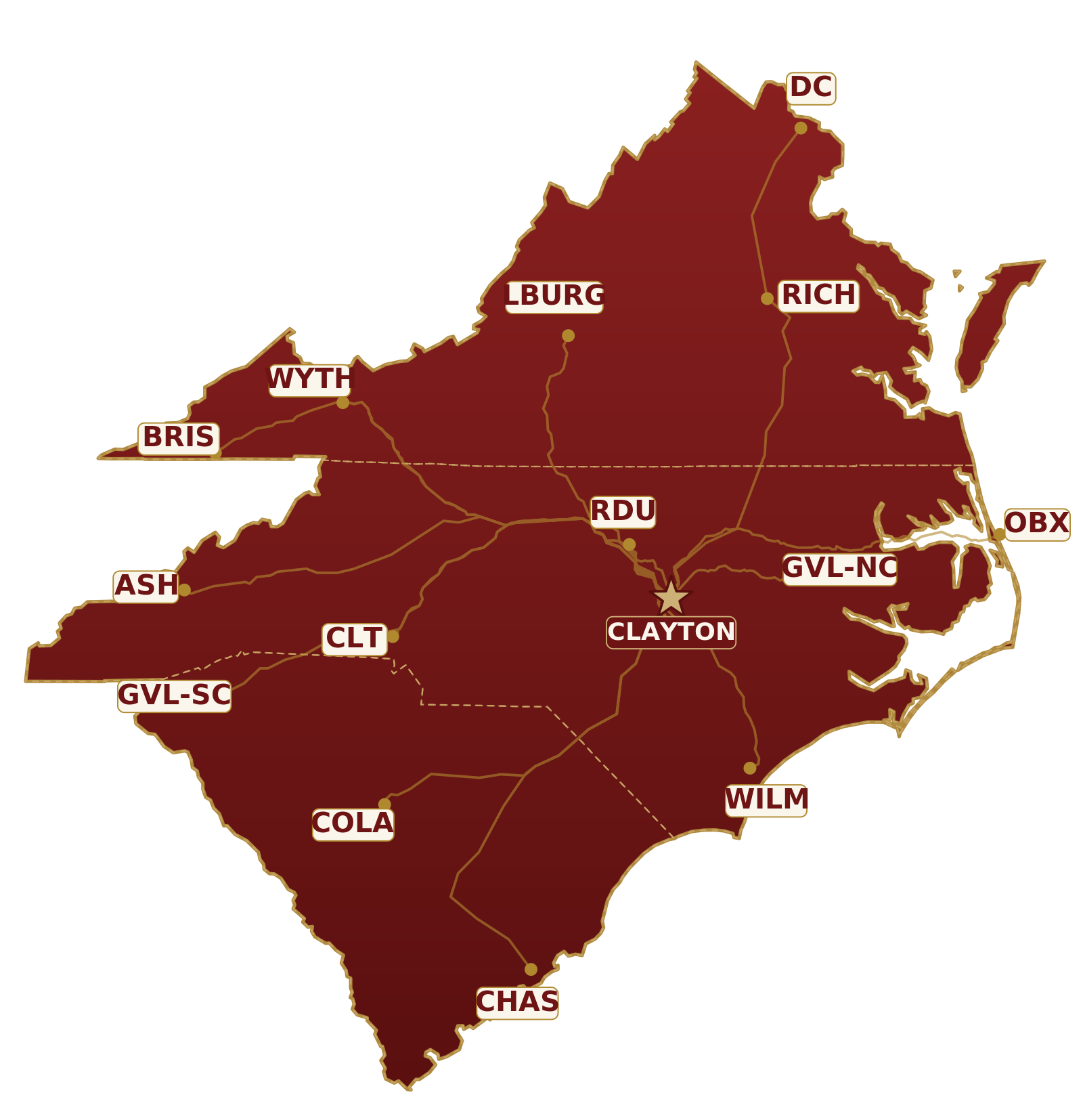
North Carolina.
The Old North State, from Manteo to Murphy and everywhere in between.
South Carolina.
Upstate to the Lowcountry, growing right alongside the Carolinas' building boom.
Virginia.
From Hampton Roads to the Valley.
I built Dyoptra so a 20-person firm can know its numbers as well as a 2,000-person one.
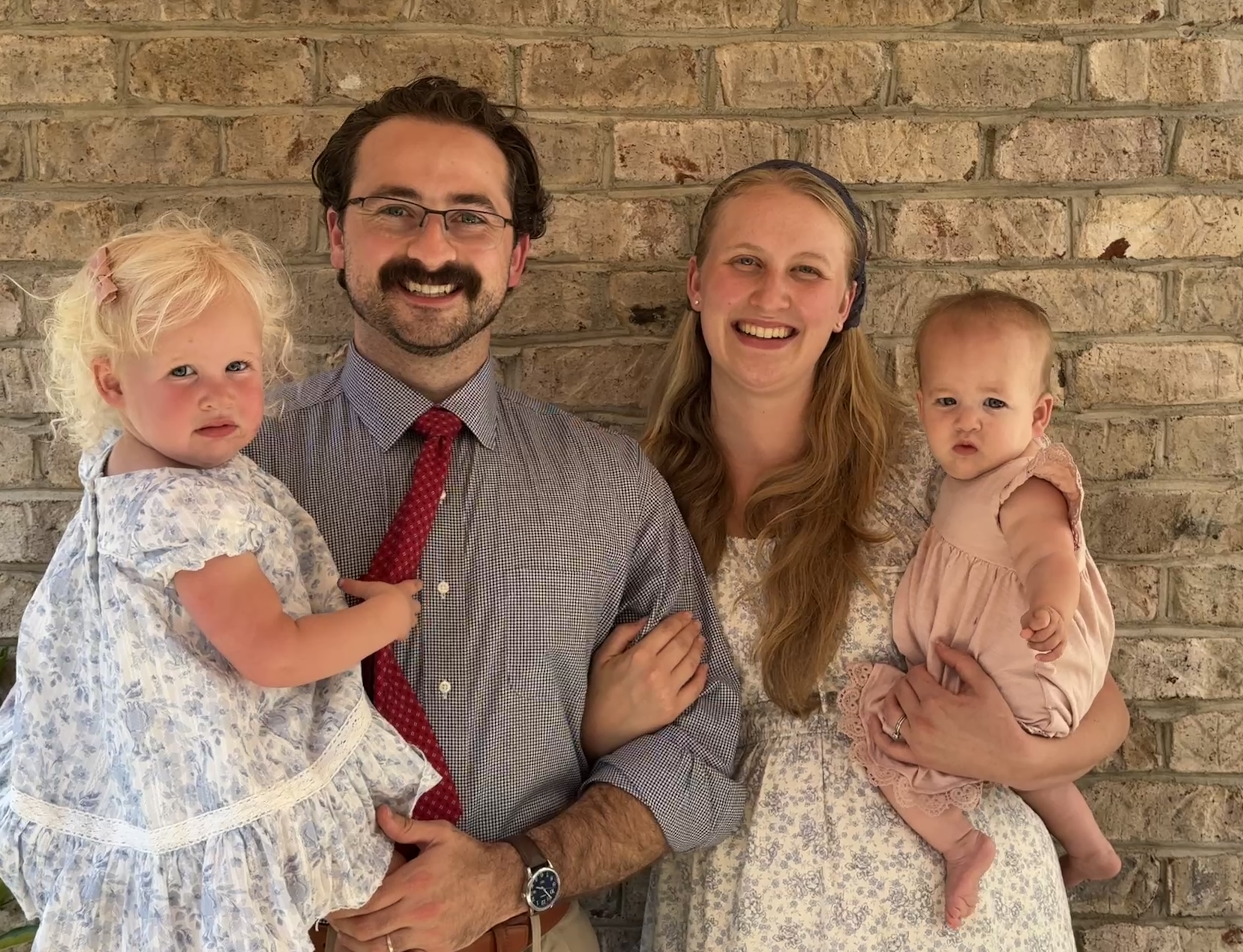
B.S. Accounting & Information Systems, M.S. Accounting
Born and raised in Wake County, North Carolina, Daniel Dyson holds a B.S. in Accounting and Information Systems from North Carolina State University and an M.S. in Accounting from East Carolina University. His career has spanned private companies and the Fortune 500 in project financial analysis, technical accounting and revenue operations. Along the way he has forecast and tracked cost against estimate on project portfolios worth hundreds of millions of dollars, and reviewed hundreds of contracts worth billions of dollars across more than 20 countries. In 2023 he founded Post Mill Accounting, providing accounting, payroll, and tax services to local small businesses. He has since launched Dyoptra, bringing that same project-level discipline exclusively to surveying and engineering firms across the region. He currently lives in Clayton, NC with his wife, Ivy and their two girls, Rosemary and Jane.
A controller makes sure the numbers are right. Dyoptra makes sure they mean something.
A fractional CFO uses those numbers to plan the year. Neither one fixes where the numbers come from or follows them down to each project, and a forecast built on bad job costs is still wrong. Dyoptra sets up the system, approves the close, and turns every project's results into the price of the next one.
Translates it into decisions
Like your bookkeeper and tax preparer? Keep them! Dyoptra offers books, payroll and tax returns as add-ons, but we recommend keeping the people you already trust in those roles whenever possible. Your accounting software stays in your firm's name either way.
1–2%
of revenue, as a general guide, before add-ons
As a general guide, most firms invest about 1% to 2% of revenue. A $3M firm typically pays $3,500 to $5,000 a month. Your number comes after we look at your firm, not before.
In the range of a remote CFO package, with the job-costing build, project-level analysis and a monthly review in your office included.
Estimates. Bookkeeper and tax preparer range from published fee ranges for monthly books and business tax prep, October 2026. Remote fractional CFO range from published package pricing for $1M to $5M firms, reviewed October 2026. For scale, a full-time controller at an engineering firm costs about $220,000 a year once taxes and benefits are added (May 2025 median pay for financial managers at engineering firms, $169,310, U.S. Bureau of Labor Statistics, plus about 30%). Dyoptra figures are illustrative; your fee is set to your firm.
See pricingA short call to see whether a real pricing or cash gap exists at your firm. No cost, no pitch deck.
Book a 30-minute numbers check